
How a Cleaner Home Can Help Reduce Dust, Dander, and Sneezing
Yes, deep cleaning can help with allergy relief. It removes built-up dust, pet dander, mold particles, and other small bits that often hide in carpets, fabric, vents, and corners. When these things stay in a home, they can keep causing sneezing, itchy eyes, coughing, and a stuffy nose. A more detailed cleaning plan can lower those triggers and help many people feel better day to day.
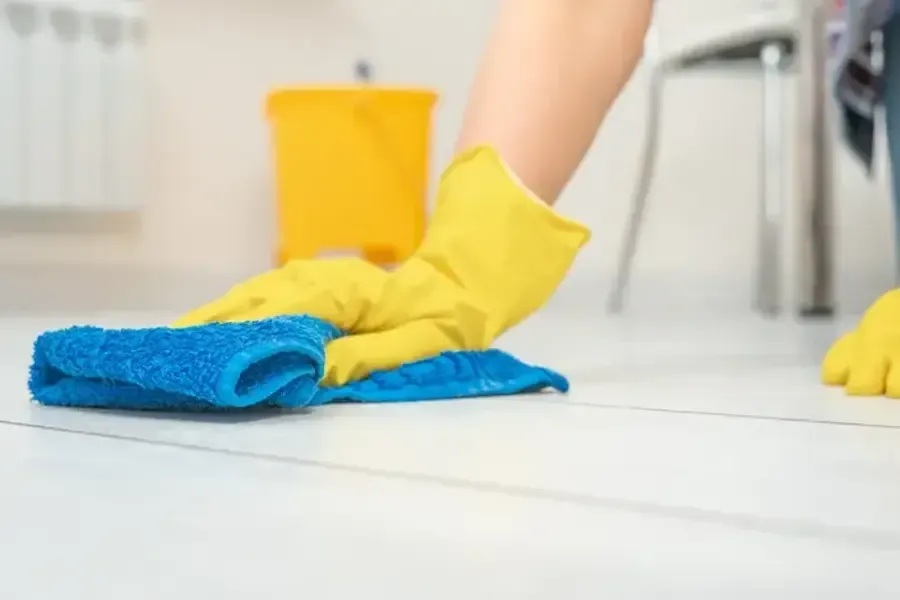
Quick Answer
The main benefit of deep cleaning for allergy relief is that it targets the places regular cleaning often misses. A fast wipe-down may help with visible dirt, but it may not remove what settles under furniture, inside vents, behind beds, or deep in soft surfaces. That extra work matters when allergy triggers keep coming back. This type of care can be useful in homes, apartments, and other service category spaces where dust and dander build up over time.
What You Need Before Starting
Before starting deep cleaning, it helps to gather the right tools and make a simple plan. That saves time and helps you clean more of the problem spots in one session. If someone in the home has strong allergies, wearing a mask and gloves can also help during the work.
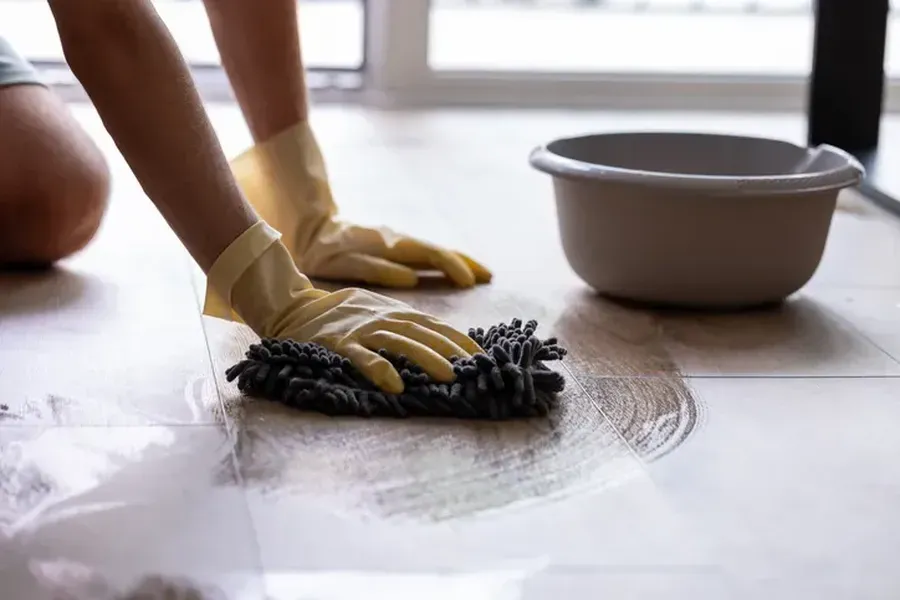
- Vacuum with a good filter
- Microfiber cloths
- Mop and bucket
- Gentle cleaning products
- Trash bags
- Laundry detergent for washable fabrics
- Step stool for high shelves and fans
It also helps to move room by room. That way, dust from one area does not keep spreading back into a place you already cleaned.
Step-by-Step Process
A clear process makes deep cleaning easier and more useful for allergy relief. Start high, then work low. Clean dry dust first, then wash or mop. Finish with floors last.
- Open windows if weather allows and air quality is good.
- Dust ceiling fans, vents, light fixtures, and shelves.
- Wipe baseboards, doors, window sills, and trim.
- Wash bedding, pillow covers, curtains, and throw blankets.
- Vacuum mattresses, rugs, carpets, sofas, and chairs.
- Clean under beds, behind furniture, and in corners.
- Disinfect kitchens and bathrooms where mold and moisture can grow.
- Mop hard floors after vacuuming or sweeping.
- Replace air filters if needed.
This process helps remove both visible dirt and hidden allergy triggers. It is often most helpful in bedrooms and living rooms because people spend so much time there.
Common Mistakes to Avoid
Some cleaning habits can stir up allergens instead of removing them. One common mistake is using the same dusty rag from room to room. Another is sweeping dry dust into the air without trapping it. Skipping soft surfaces is also a problem because fabric holds onto dander, pollen, and dust mites.
Here are a few mistakes that can limit results:
- Only cleaning what is easy to see
- Forgetting vents, blinds, and ceiling fans
- Vacuuming with a poor filter
- Using very strong sprays that bother sensitive lungs
- Leaving damp areas wet, which can support mold growth
Doing too much at once can also be hard on someone with allergies. If the home is very dusty, breaking the work into smaller sessions may help.
When to Call a Professional
Sometimes a home needs more than a basic weekend clean. If allergy symptoms stay the same after careful cleaning, the problem may be deeper in carpets, upholstery, vents, or damp areas. A professional may also help if the home has heavy pet hair, long-term dust buildup, post-construction debris, or signs of mold around windows, bathrooms, or basements.
Professional deep cleaning can also help before big life events. Good examples include moving into a new home, getting ready for a baby, helping an older family member, or cleaning after a long period without regular care. In cases like these, a trained team can often reach more hidden areas and use methods that remove more debris without spreading it around.
Why This Can Make a Real Difference
Allergy relief often comes from lowering the total number of triggers in a space. One dusty shelf may not seem like much, but dust on fans, under sofas, in rugs, on curtains, and around vents adds up. Each area can feed the same problem. When deep cleaning removes buildup across the whole home, the air and surfaces may feel fresher and easier to live with.
Many people notice benefits like these after a detailed cleaning:
- Less sneezing in the morning
- Fewer itchy eyes indoors
- Less pet dander on furniture
- Cleaner-smelling rooms
- A lower amount of dust returning to surfaces
It is not a cure for allergies, but it can be a strong part of a healthy home routine. When paired with regular vacuuming, laundry, and filter changes, the results often last longer.
Final Recommendation
If allergies keep flaring up at home, deep cleaning is a smart place to start. Focus on bedrooms, fabric surfaces, hidden corners, and damp areas first. Use tools that trap dust instead of moving it around. If the job feels too big or symptoms do not improve, a professional service may be the next step. For homes in Newark, NJ, we can help make living spaces cleaner and more comfortable. Contact Clean District LLC to talk about your needs, or call us at (718) 510-6588 to schedule help from our team.